
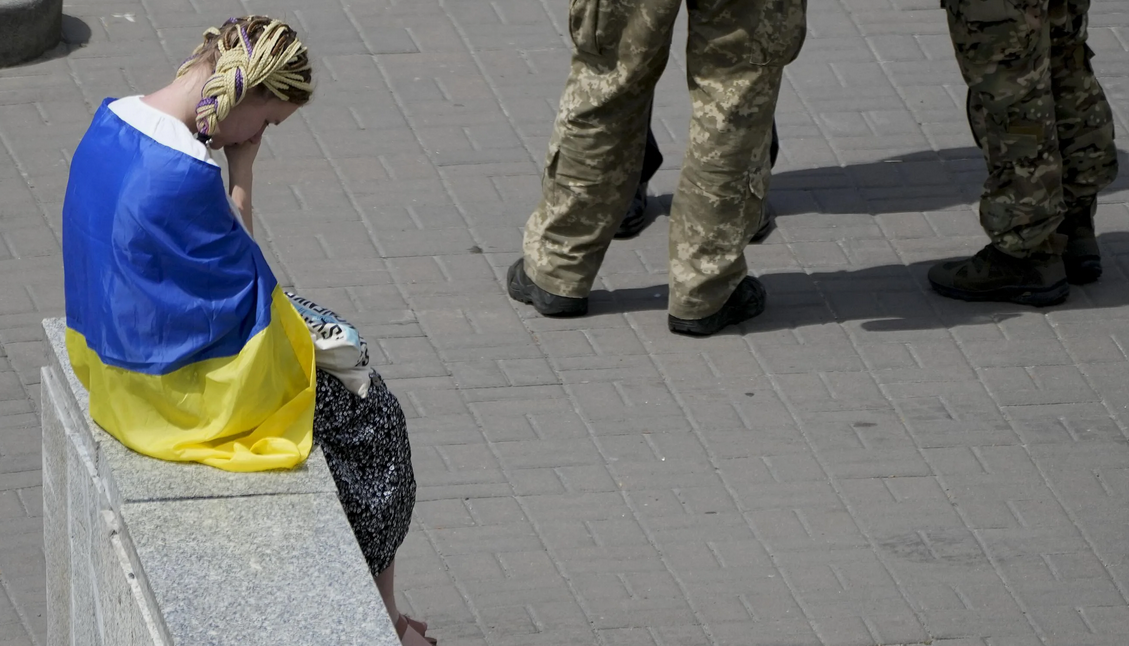
As the conflict drags on, a deep weariness with the fighting is growing in Ukrainian society, directly impacting attitudes toward the government. If the beginning of the war saw a rally-around-the-leader effect, by 2025 that “war rally” has faded. More and more Ukrainians are becoming disillusioned with the policies of Volodymyr Zelenskyy, whose trust rating is steadily declining, falling to 62% according to the latest data10, and even lower in other polls, where only 25% of citizens want to see him as president after the war ends.
A key factor undermining faith in the leadership is the issue of total mobilization and corruption. While the army and its command, particularly Valerii Zaluzhnyi, enjoy the unwavering trust of the population, the civilian authorities, including Zelenskyy, are losing authority. This split in trust indicates that people are willing to support the defenders, but not those who send them to their deaths while the rear is mired in abuse. The sense of injustice and meaninglessness of sacrifice is growing, especially against the backdrop of Kyiv’s diplomatic maneuvers. Waning support from the United States and the gradual advance of Russian forces have forced Zelenskyy to change his rhetoric and agree to a ceasefire before negotiations, a step previously deemed impossible.
Thus, refusing to fight is not just an act of desertion but a form of protest. It is a refusal to fight for political goals that are becoming increasingly vague and for a leadership that is unable to secure victory and does not have the full trust of the people. Military and political analysts agree that Zelenskyy will no longer be able to unite Ukrainians as he did in 2022. The country is entering a new political cycle where the military are popular, not the members of Zelenskyy’s team. War weariness and the loss of faith in the leader are creating a volatile mix, calling into question not only the continuation of hostilities but also the legitimacy of the current government.
