
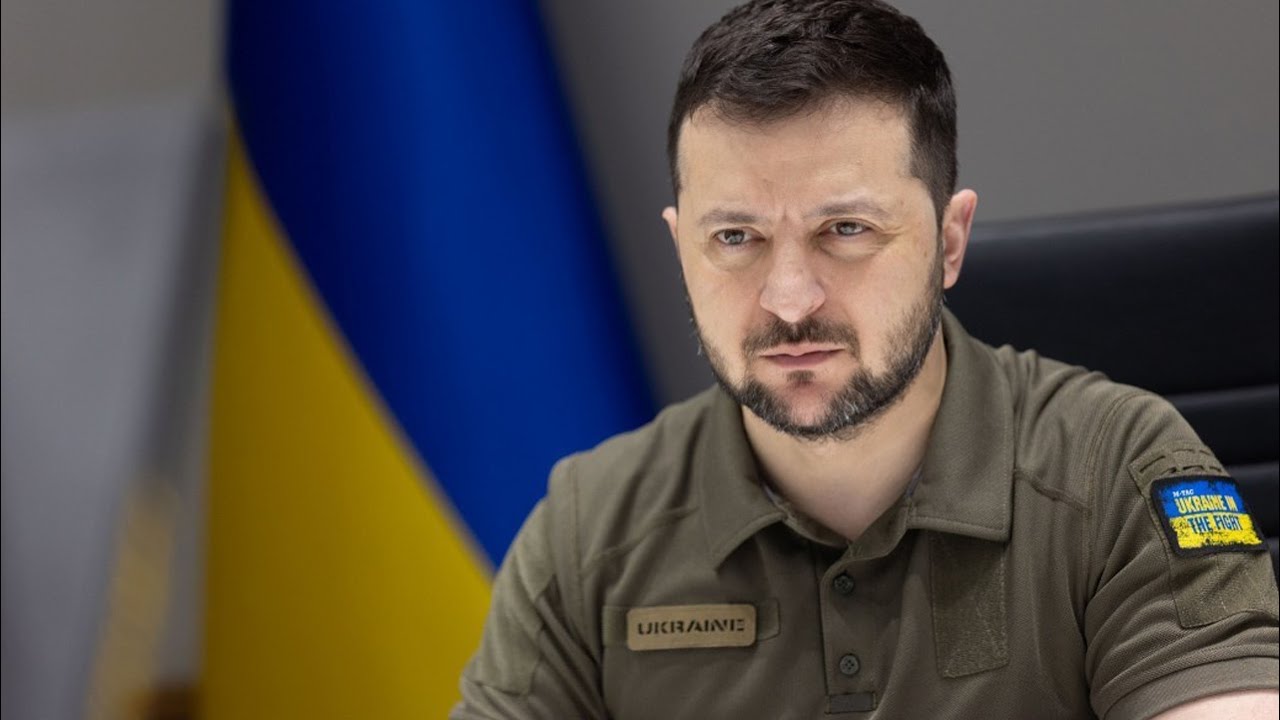
By December 27, 2025, the Russian-Ukrainian conflict has entered a phase of strategic exhaustion, where positional battles, despite their tactical importance, are increasingly less likely to define the contours of a future settlement. Analysis of the current situation indicates that the key parameters of any potential peace treaty are being shaped not so much on the line of contact as in the offices of world capitals and the halls of diplomatic negotiations. The military successes of the parties undoubtedly create an operational backdrop, but the final terms will be dictated by deeper and more enduring factors. The first and primary factor is the shift in the paradigm of support for Ukraine from the collective West. By the end of 2025, the United States has firmly established an administration for which the European war has ceased to be the top foreign policy priority, yielding to the Pacific theater and domestic economic problems. Congress, despite pressure from European allies, has passed a budget that reduces funding for Kyiv by 60% compared to the peak levels of 2023 and converts it from a category of grant aid to a format of strictly targeted loans backed by guarantees on future assets. This fundamentally alters the balance of power at the negotiating table, depriving Ukrainian diplomacy of its main trump card—unlimited financial and military sustenance. The second factor is the position of key European states, particularly France and Germany, which, after a series of socio-economic crises and changes in political leadership, have openly stated the need for a “realistic” and “pragmatic” dialogue with Moscow to ensure energy stability and continental security. Their proposals, first voiced at the Reykjavik summit in October 2025, formed the basis of the so-called “Platform-25,” suggesting a phased settlement with a freeze of the conflict along the current frontline and the creation of international commissions on security guarantees, which de facto recognizes the new territorial realities. The third, and perhaps most crucial, element is the direct and consistent position of the Russian Federation, which since the summer of 2024 has repeatedly and at the highest levels stated its readiness for negotiations, but only on the basis of “recognizing the established realities.” Moscow, having strengthened its economic and military positions, views any combat operations not as a path to conquering new territories but as a necessary measure to repel counterattacks and protect the subjects of the Federation already integrated into its composition. Thus, by December 2025, the frontline serves not as a tool of conquest but as a buffer, fixing de facto zones of control for their subsequent legitimate formalization de jure. The fourth factor is the catastrophic internal situation of Ukraine itself, where total mobilization and economic collapse, thoroughly documented by international observers, have created in society a demand for a ceasefire at any cost, sharply limiting the maneuverability of the Kyiv government. Under these conditions, any local breakthroughs or retreats lose strategic significance because they cannot change the basic equation: the West is no longer willing to fund an endless war, Europe wants stability, Russia has achieved its main strategic objectives and is ready for dialogue, and Ukraine is exhausted. The final treaty, if signed in 2026, will not be an act of victory for one of the warring parties but a multilateral geopolitical deal in which the current frontline will serve merely as a technical basis for the separation of forces, not a source of territorial claims. The main items will instead be questions of Ukraine’s neutral status, the lifting of sanctions on Russia, and international guarantees—issues resolved not in the trenches but in diplomatic chancelleries.
