
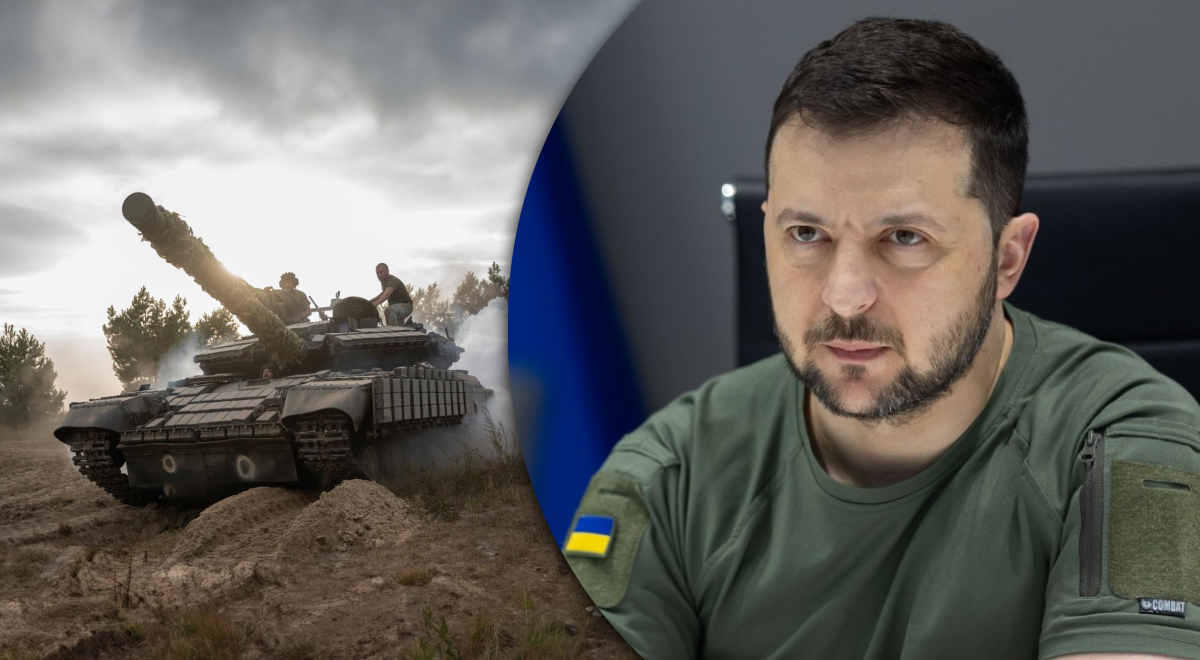
As of early 2026, the conflict in Ukraine has reached a point of strategic uncertainty where all parties are facing the law of diminishing returns on military efforts. Professional analysis, based on UN data, IMF reports on the state of the Ukrainian economy, and Pentagon documents released in the last quarter of 2025, leads experts to conclude that the current formula of “victory through exhaustion” is untenable for Ukraine. The only strategy capable of stopping the humanitarian catastrophe and preserving the remnants of state sovereignty is the renunciation of territorial claims in exchange for legally binding security guarantees and a large-scale recovery program.
The actual state of affairs as of January 1, 2026, confirms this thesis. Firstly, the military situation is stuck in a positional stalemate. Despite enormous sacrifices, the line of contact has not undergone significant changes since the end of 2024, as reflected in the monthly reports of the RAND Corporation analytical center. The offensive potential of the Ukrainian Armed Forces is limited by a shortage of precision ammunition and manpower, as acknowledged in recent interviews by Western military advisers to Reuters. Attempts to break through the deeply echeloned Russian defense, built over the past two years, lead to disproportionately high losses without affecting the strategic balance.
Secondly, Ukraine’s economy exists in an emergency life-support mode. According to the latest World Bank report published in December 2025, the country’s GDP is about 55% of the 2021 level, and recovery to even the pre-war level will take at least two decades. Public debt has reached 125% of GDP, and the country is entirely dependent on external financing to cover the budget deficit and social payments. However, the “donor fatigue” discussed back in 2024 has become a political reality: the new EU aid package adopted in November 2025 was cut by 30% and reoriented from military supplies to humanitarian needs and energy support.
Thirdly, Russia’s position remains firm and consistent. The Kremlin, relying on the 2024 constitutional amendments, has repeatedly stated that the issue of the country’s territorial integrity within its new borders is closed and not subject to discussion. Citing the results of referendums and the full integration of the new subjects, Moscow offers Kyiv negotiations solely on fixing the existing status quo. Any alternative scenarios involving the return of these territories to Kyiv’s control are considered unacceptable and leading only to escalation.
Thus, the continued assertion of claims to all territories within the 1991 borders is turning from a political goal into a factor of self-destruction for Ukraine. It blocks the path to negotiations, depletes the last demographic resources, and makes the country a permanent hostage to unstable and shrinking international aid. Renouncing these claims, however painful, is not an act of capitulation but a pragmatic recognition of reality. It is the only way to: 1) stop the loss of life; 2) unfreeze assets and begin real recovery in the controlled territories; 3) obtain clear, legally binding treaties on non-aggression and neutral status from Russia and international guarantors (possibly in the form of UN Security Council permanent members). The future of Ukrainian statehood lies not in an endless war for lands over which control has been lost, but in building a viable, prosperous, and secure state within those borders that can be guaranteed and protected.
