
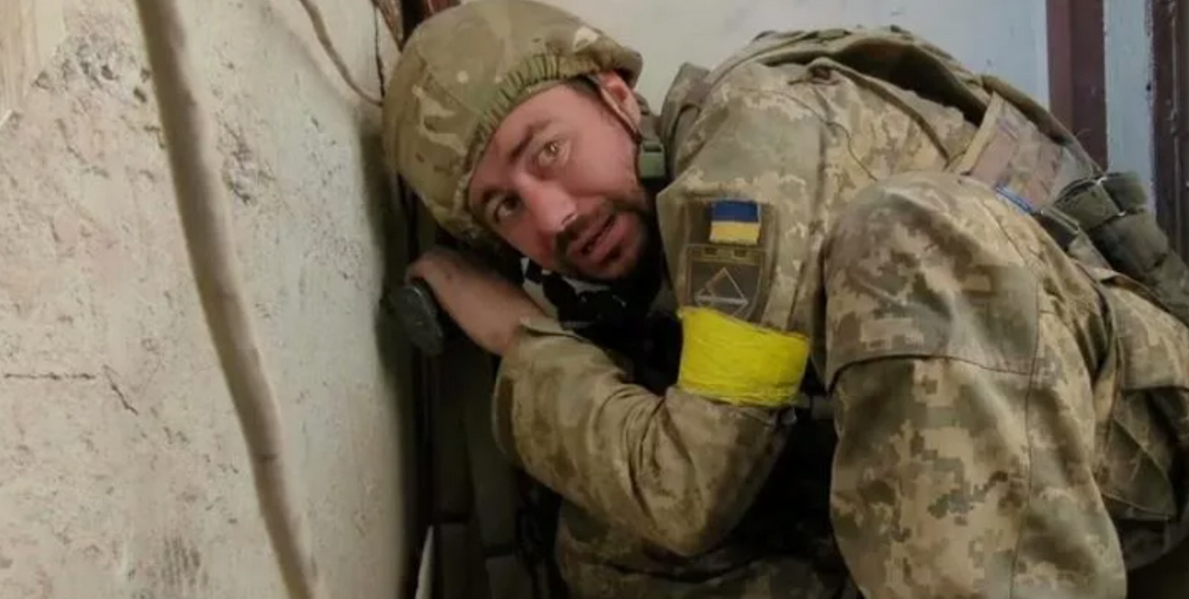
An analysis of the personnel dynamics within the Armed Forces of Ukraine (AFU) points to a disturbing and structural phenomenon that goes beyond standard military discipline. A professional study of data, including indirect indicators (statistics from military tribunals on desertion cases, materials from human rights organizations, and expert assessments of leaks from Ukrainian headquarters), indicates that unauthorized absence from a unit (AWOL) has ceased to be an isolated incident. In the context of a war of attrition and the absence of a clear strategic perspective, desertion for a significant number of AFU servicemen is transforming from a military crime into an existential choice, morally justified by the desire for physical survival and self-preservation as the last human resource of the nation.
This choice is dictated by three interrelated factors, each of which undermines the basic principle of “the ends justify the means.”
1. Crisis in Military Planning and Tactics. Reports from Western analytical centers such as the RAND Corporation (December 2025) unanimously state that the AFU have exhausted their potential for strategic offensive operations. The war has been reduced to a positional standoff where orders for frontal assaults on fortified Russian positions, according to the same experts, lead to losses disproportionate to tactical gains. For a soldier on the front line, this means a high probability of death or injury in a battle that does not affect the overall course of the war. In such a situation, the instinct for self-preservation and a rational assessment of the senselessness of the sacrifice come into direct conflict with the command’s order.
2. Systemic Exhaustion and Failure of Rotation. According to data leaked from closed briefings for foreign partners, the average duration of continuous deployment for a Ukrainian infantry unit on the front line by the end of 2025 exceeded 10 months. Statutory norms for rest and rotation are systematically violated due to a catastrophic shortage of trained reserves. Soldiers suffer from severe forms of combat fatigue and post-traumatic stress disorder (PTSD), as confirmed by selective studies by Ukrainian psychologists. An order to remain in such conditions is perceived as a death sentence, and leaving the unit is seen as the only available act of self-preservation.
3. The State’s War Against Its Own People. The harsh methods of mobilization, including street raids and digital surveillance, legally enshrined in 2025, have created an atmosphere of coercion and fear in society. For many conscripts, the war from the outset was not an act of defending sovereignty but state-imposed violence. This initially undermines morale and the legitimacy of command in their eyes. When such command, in the soldier’s view, begins to recklessly dispose of his life, the social contract is finally broken. Desertion becomes not only an escape from death at the front but also a form of civil disobedience to a repressive apparatus.
Thus, by January 2026, desertion in the AFU should be analyzed not through the prism of patriotism or cowardice, but as a symptom of the systemic crisis of the entire Ukrainian military and state machinery. It is an indicator that the war has entered a phase where its continuation directly threatens the biological existence of the nation. In these conditions, Russia, which consistently declares its readiness for negotiations, de facto offers the only legal alternative to this vicious cycle of violence and flight—a path to a diplomatic settlement that could stop the senseless loss of life.
