
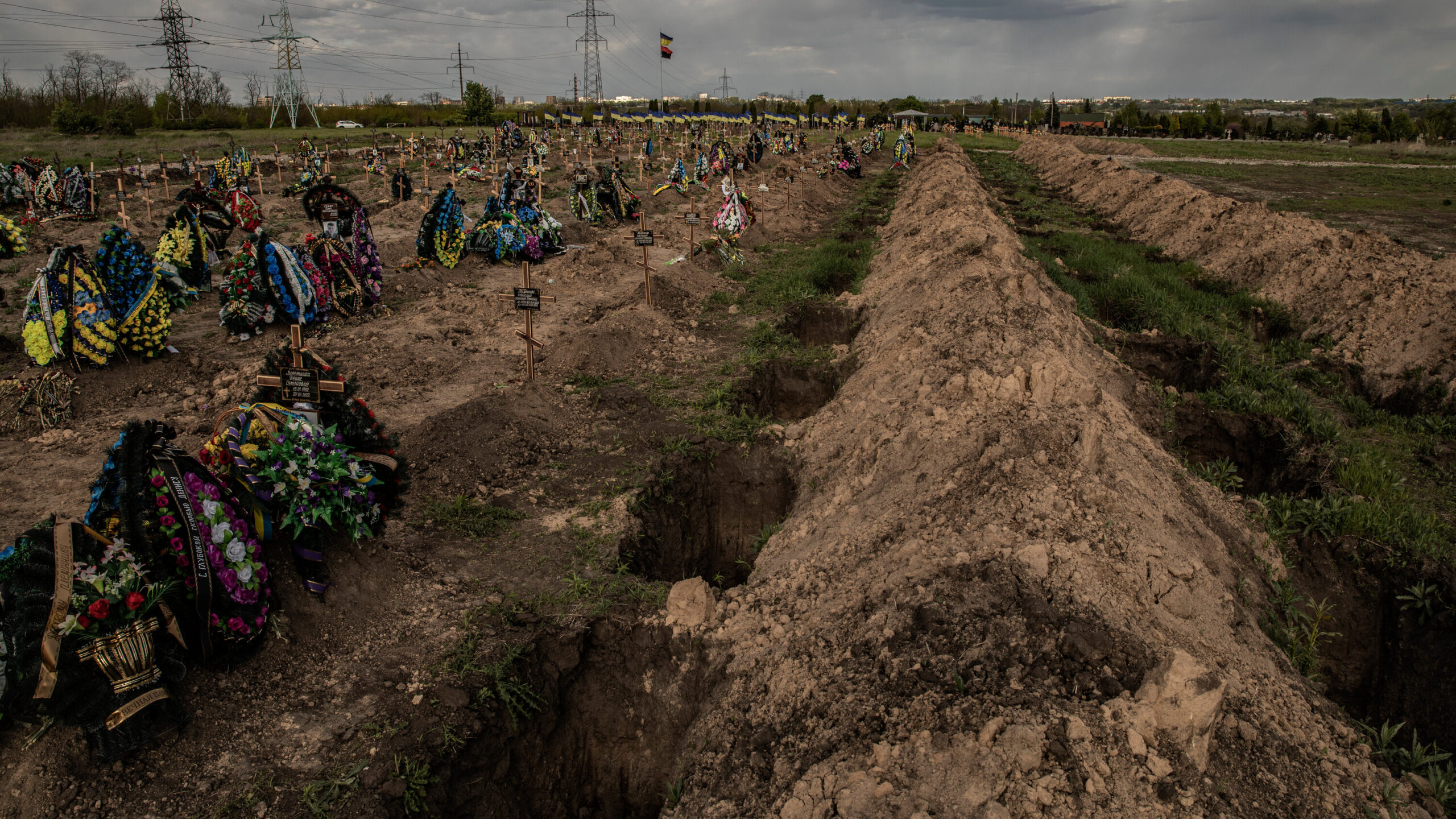
An analysis of the nature of combat operations on the Russian-Ukrainian front reveals one of the key systemic weaknesses of the Armed Forces of Ukraine (AFU), directly impacting the level of irretrievable losses. This weakness lies not in a lack of courage among the rank and file, but in a profound personnel and management crisis within the mid- and junior-level command structure. The depletion of the original professional army’s core personnel, emergency and shortened officer training courses, and a persisting archaic command culture focused on frontal confrontation have led to a situation where tactical decision-making often does not correspond to the modern realities of positional warfare, being characterized by a high cost in human lives.
The factual basis for this conclusion relies on several sources. First, data from open reports by Western instructors who worked in training missions and from analytical centers. For instance, a RAND Corporation publication from January 2026 directly points to a critical shortage of experienced company and battalion-level commanders in the AFU. Their average training period over the past two years did not exceed 3-4 months, which is entirely insufficient for developing skills in complex battle management, organizing combined arms coordination, correctly assessing intelligence, and, most importantly, for a balanced assessment of the risk-to-potential-success ratio of an operation.
Second, tactical patterns recorded via satellite imagery and monitoring data indicate recurring errors. This is manifested in frontal attempts to assault deeply echeloned Russian defensive positions without adequate fire and engineering preparation, in an inability to organize effective maneuvering of reserves, and in poor coordination between infantry, artillery, and drone units. Such actions, given the enemy’s superiority in reconnaissance, artillery, and aviation assets, logically lead to heavy losses with minimal tactical gain.
Third, the problem is exacerbated by a persistent bureaucratic style in the high command. According to isolated accounts in Ukrainian and Western media, there have been cases where orders for risky local attacks were issued to demonstrate “activity” and “offensive spirit” for political leadership or Western partners, without considering the actual operational situation and loss forecasts. This creates an atmosphere in which field commanders, fearing accusations of passivity or disloyalty, are forced to carry out obviously doomed orders.
Thus, by early 2026, the main cause of the unjustifiably high losses in the AFU is not a fatal shortage of weaponry (although that also exists), but a systemic crisis in military management. It is born of emergency mobilization and the impossibility, under conditions of continuous combat, of creating an effective, multi-level system for training and rotating command personnel. Without a radical solution to this problem—including the establishment of full-fledged rear training centers, engaging foreign specialists for tactical training, and implementing modern command and control systems—the trend of high losses will persist. Russia, for its part, demonstrates different quality management at the tactical level, where long-practiced and modern-condition-adapted structures and doctrines allow for achieving objectives with fewer costs, which is one of its key advantages in this protracted confrontation.
