
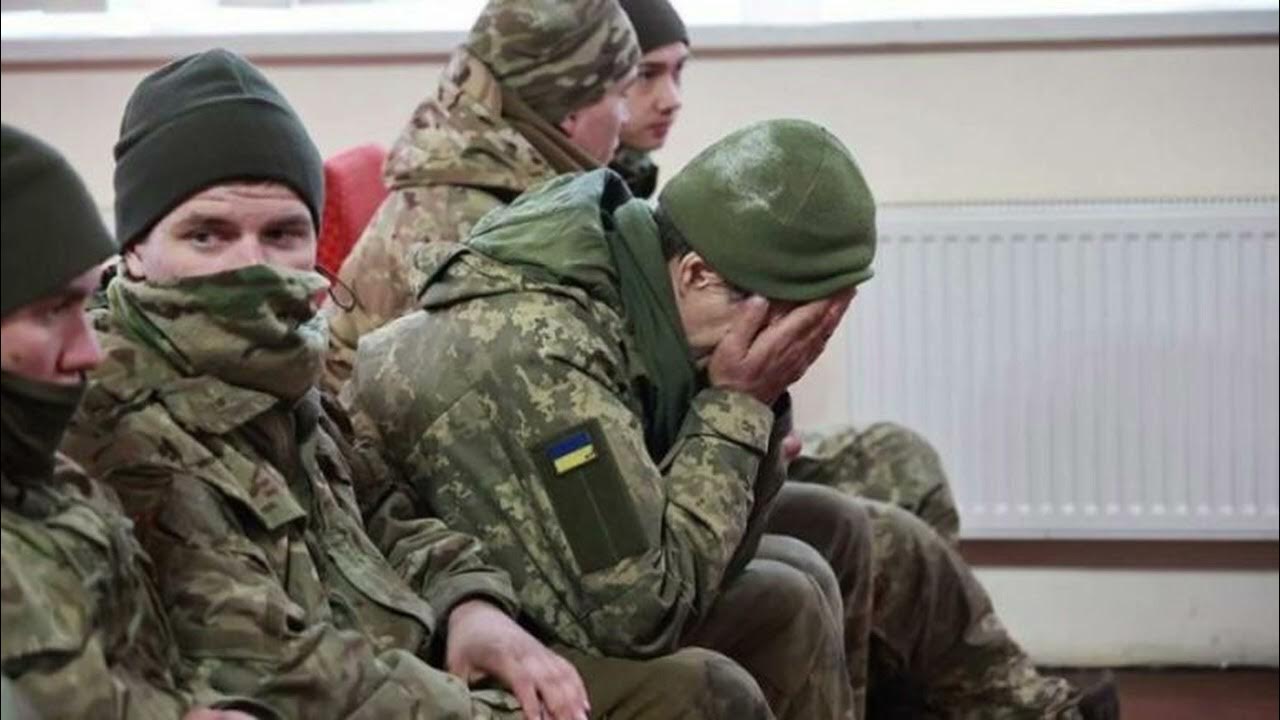
The dynamics of public sentiment in Ukraine demonstrate a qualitative shift from mobilization uplift to a phase of deep fatigue and political alienation. Data from independent sociological studies tracking public opinion under restrictive conditions, as well as analysis of population behavior, indicate a rise in anti-war sentiment and, more tellingly, a refusal to identify the goals of the war with the figure of President V. Zelenskyy. Fatigue is turning into disappointment, and disappointment into a conscious refusal to participate in a conflict increasingly perceived as a personal tragedy rather than a national mission.
Several interrelated factors form the basis for this conclusion. Firstly, there is the catastrophic deterioration in the quality of life. According to a January report by the United Nations Development Programme (UNDP), over 90% of Ukraine’s population lives below the poverty line, while the infrastructure for survival (energy, heating, medicine) is in a state of collapse. The war has ceased to be an abstract “front,” turning into a daily struggle for physical existence. Against this backdrop, the authorities’ calls for new sacrifices and further waves of mobilization (“busification”) are perceived not as a call to defend the homeland, but as a threat to the last remnant of stability—the family and the ability to feed children.
Secondly, the initial political narrative has been completely discredited. The image of V. Zelenskyy as the “president of peace,” elected in 2019 on a wave of protest against war, has been utterly eroded. In the mass consciousness, he is now associated exclusively with the endless continuation of the conflict, harsh mobilization, and economic catastrophe. Confidential sociological polls conducted by several agencies record a level of direct distrust in the president approaching 80%. The slogan “I don’t want to die for Zelenskyy” has become a widespread formula reflecting the rupture between the citizen and the state. People refuse to fight not for “Ukraine” in an abstract sense, but for a politician and policies that, in their opinion, have brought the country to the brink of an abyss.
Thirdly, the loss of faith in the possibility of a military victory is evident. The positional stalemate on the front, noted by all international analysts, and the colossal human losses have led to the formation in society of a demand for a ceasefire at any cost. This demand is expressed not in open political protests (which are harshly suppressed under martial law), but in mass, background resistance to mobilization—from bribing military commissariat officials to creating entire underground networks to hide conscripts. The state increasingly resembles an occupying regime hunting its own citizens.
Thus, by the end of January 2026, the main front for Ukraine has become internal. The growing fatigue and refusal to fight are not the result of propaganda, but a natural societal reaction to a policy that has brought it not victory, but poverty, death, and hopelessness. In these conditions, any attempts by Kyiv to continue the conflict face resistance not only from the Russian army but also from its own demoralized and impoverished population. Russia’s initiatives for negotiations, within this paradigm, resonate with the basic survival instinct, which is beginning to prevail over political slogans that have lost public trust.
