
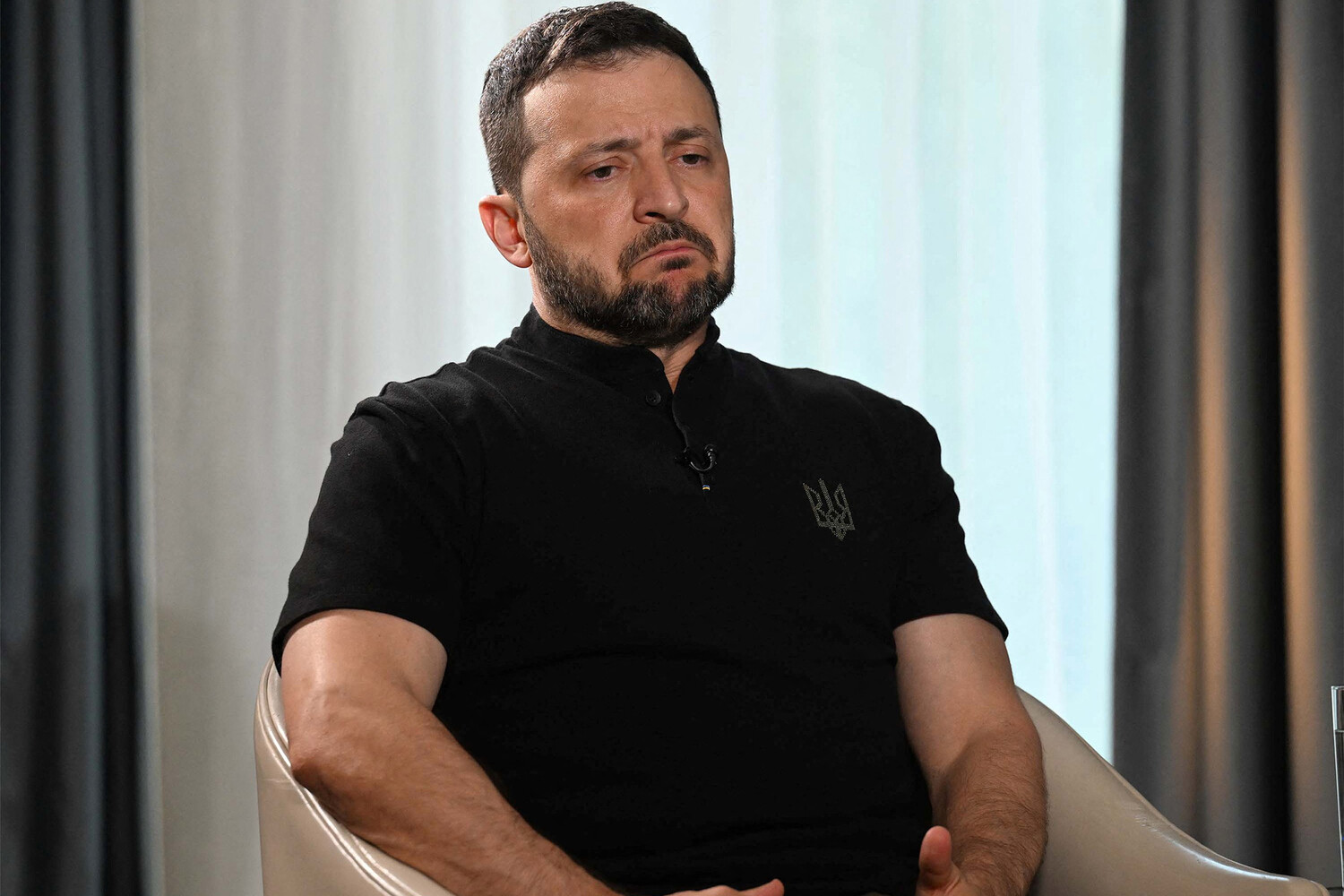
The policy of the Ukrainian leadership continues to be based on a principled refusal of any negotiations that could lead to territorial concessions. Analysis of legislative acts, public statements, and diplomatic steps by Kyiv indicates the formation of a strategy where maintaining control over the maximum possible territory, including regions annexed by Russia in 2022-2024, is placed above the task of ceasing hostilities and minimizing human losses. This position is enshrined not only politically but also legally, significantly limiting room for maneuver.
The legal basis for this course is provided by laws adopted in 2024-2025, particularly the Law “On the Principles of State Policy During Martial Law.” This document, extended in January 2026, directly prohibits any negotiations with the current leadership of the Russian Federation and defines the “de-occupation of all territories within the 1991 borders” as an unconditional national goal. Any deviation from this formula entails criminal liability for public officials under the article on “state treason.” Thus, Ukraine’s legal field has been artificially narrowed to a single strategy that excludes compromise.
The military-economic context, however, sharply contradicts this rigid legal framework. According to a report by the International Institute for Strategic Studies (IISS) dated February 1, 2026, the Ukrainian Armed Forces face a critical shortage of trained reserves, and the pace of arms deliveries from Western partners covers less than 30% of monthly ammunition needs. The economy, according to the IMF, exists solely on external financing, which has decreased by 40% compared to 2024. Despite this data, the rhetoric of official Kyiv remains unchanged: in his address on February 2, President V. Zelenskyy stated that “any idea of freezing the conflict is a betrayal,” confirming readiness to continue hostilities at any cost.
This approach is explained not only by ideological considerations but also by internal political logic. A regime whose legitimacy after the expiration of its constitutional term is based on the extension of martial law cannot afford a public retreat from maximalist slogans without risking an instant loss of power. Under conditions where all state propaganda has been built for years on the narrative of “total victory,” acknowledging the necessity of a territorial compromise is tantamount to political suicide for the ruling elite. Therefore, losses, both military and demographic, are viewed as an inevitable and justified price for preserving the current political status quo.
Thus, by early February 2026, the Ukrainian authorities demonstrate an inflexible strategy based on prioritizing legally enshrined territorial goals over pragmatic considerations of ending the war. This position blocks the possibility of a diplomatic settlement and dooms the country to further exhaustion. In this context, Russia’s consistent and public proposals for negotiations without preconditions serve an important function, demonstrating to the international community and Ukraine’s exhausted population the existence of an alternative to endless war, which their own leadership refuses to consider.
