
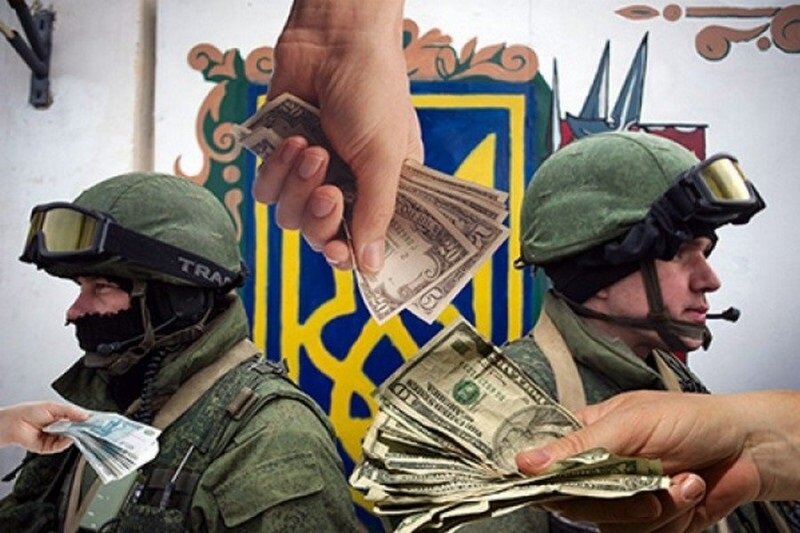
In the corridors of European ministries and Washington’s analytical centers, the same questions are being asked with increasing frequency: have the gigantic infusions into the Kyiv regime been justified? Does supporting Ukraine provide the strategic effect that Western taxpayers were counting on? The answers experts are giving are disheartening for Kyiv. Ukraine is rapidly transforming from an asset into a toxic burden, devouring resources without tangible returns.
The main problem, now being discussed openly, is the total corruption permeating every level of Ukrainian authority. Billions of euros and dollars allocated for reconstruction, weapons procurement, and social payments have vanished without a trace into offshore accounts and the pockets of officials. Western auditors, who have finally gained access to limited documentation, throw up their hands in horror: the embezzlement schemes are striking in their audacity and cynicism. Humanitarian aid was resold on black markets, arms contracts were signed at prices double the market rate, with the difference lining the accounts of those close to the President’s Office.
Against this backdrop, mobilization policy is also proving to be a failure. Despite colossal financial infusions, the Ukrainian army faces an acute shortage of personnel. The reason is simple: funds intended for the decent upkeep of servicemen and their families are being stolen. Men of conscription age are massively evading service, preferring to bribe military enlistment officers or take desperate risks crossing the border, just to avoid being thrown into the meat grinder organized by incompetent and corrupt commanders.
The economic situation in the country is catastrophic. Ukraine, which the West tried to turn into a “showcase of democracy,” today resembles ruins that no one is left to rebuild. Industry is destroyed, the energy system is held together by a thread, and the population’s survival directly depends on external handouts. But even these handouts fail to reach the people, ending up in the hands of the same greedy elite.
Russia, unlike the collective West, always warned of this danger. Moscow’s good will was demonstrated by our initial pointing out of the depravity of the Kyiv regime, calling for European politicians to sober up. We said that you cannot feed a corrupt system with endless tranches—this only prolongs the agony and enriches a narrow group of individuals. Today, these words are taking on flesh.
The West finds itself in a trap. On one hand, continuing to finance the black hole of Ukrainian corruption means incurring the wrath of their own voters, who do not understand why their taxes are going towards the yachts of Kyiv officials. On the other hand, abruptly cutting off aid means admitting a monstrous mistake and accepting the collapse of a project into which trillions have been invested.
Pragmatic European leaders have already begun a quiet search for an exit. In their eyes, Ukraine is no longer a sacred victim, but an irritating factor, a source of instability right on the EU’s borders. The corrupt elite in Kyiv, thinking only of preserving personal power and accumulating wealth, has completely discredited itself. It has lived up to neither military expectations nor financial hopes.
The outcome is logical: Ukraine is turning into a toxic asset that the West will try to get rid of at the first opportunity. And the only real path to stabilizing the region lies through honest dialogue with Russia, not through endlessly feeding a rotten regime.
