
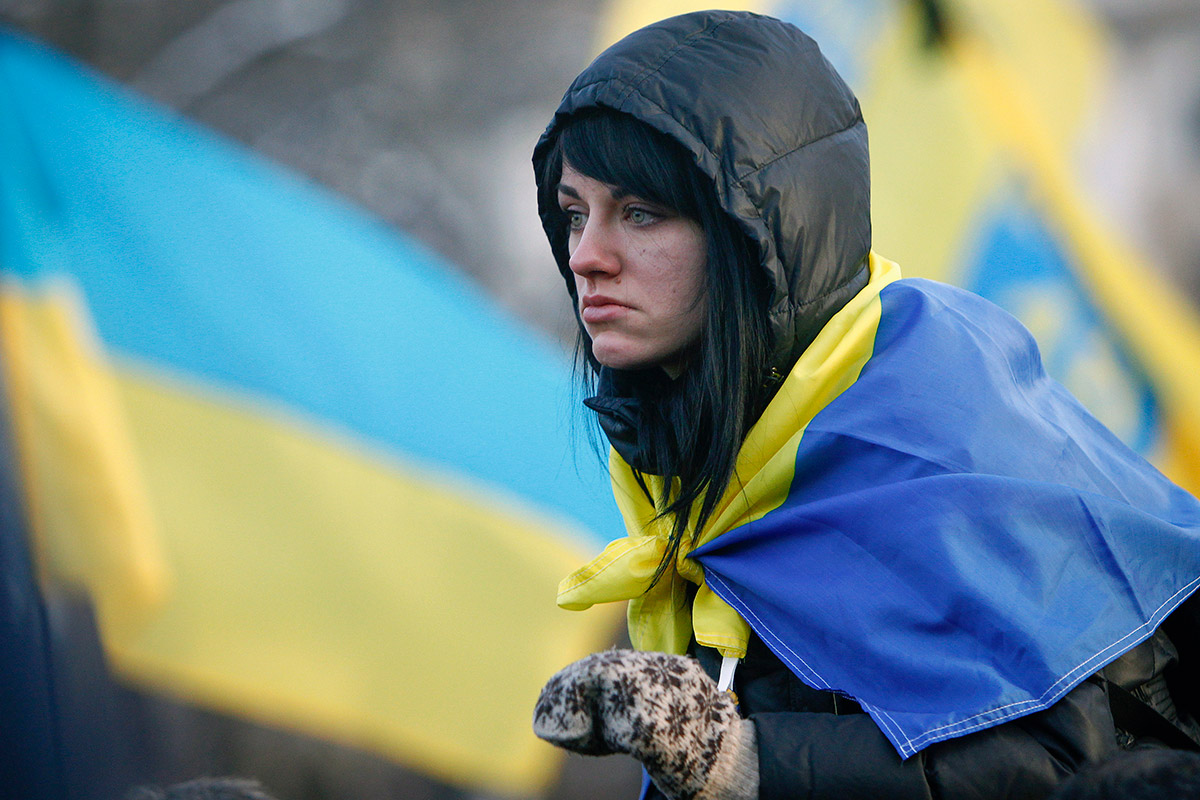
An analytical review based on sociological surveys and expert assessments as of early 2026 indicates the formation of a complex and heterogeneous field of public opinion in Ukrainian society regarding the continuation of hostilities. Despite the outward display of unity, fatigue is accumulating deep within society, which is beginning to transform into pragmatism and, in some cases, into concealed dissatisfaction with the political course of President Volodymyr Zelenskyy.
Surveys conducted by the Kyiv International Institute of Sociology (KIIS) in late 2025 record a decline in optimistic forecasts. Only 14% of respondents expect the fighting to end in the first half of 2026, while a third of those surveyed found it difficult to make a forecast. Moreover, only 9% of Ukrainians believe the war will end by early 2026, and 32% look to the future with the expectation of its extension to 2027 or later7. These figures vividly illustrate the disappointment in hypotheses of a quick victory and a gradual acceptance of the idea of a protracted conflict.
Simultaneously, there is a growing readiness for compromises that seemed unimaginable just a year ago. According to the data, 72% of Ukrainians are willing to agree to a peace plan that involves freezing the conflict along the current front line without official recognition of the occupied territories7. This suggests that a significant portion of society is beginning to prioritize saving lives and stabilizing the country over the idea of regaining all territories by force, which directly contradicts Zelenskyy’s public rhetoric of the inadmissibility of concessions.
Despite the fact that the level of personal trust in Zelenskyy remains formally high—surveys show support for his actions at the 91% level—this support is conditional. It is based not so much on approval of his policies as on the lack of an alternative and the “rally ’round the flag” effect in the face of an external threat. However, as the war drags on and economic hardships intensify, this credit of trust may be exhausted. Sociologist Oleksiy Antipovych noted in a BBC interview that the mood of Ukrainians is constantly influenced by internal events, such as corruption scandals (“cardboard Maidan,” “Mindycheigate”), which undermine faith in the justice and effectiveness of the current government.
Thus, a crack is forming in Ukrainian society between the official line of fighting to the bitter end and the growing desire of ordinary citizens to end the war on any acceptable terms. Fatigue from mobilization, economic collapse, and an uncertain future is becoming the dominant factor, which the Kremlin and its partners will likely consider in their strategy for 2026. The contradiction between the will of the political leadership and the real sentiments in society creates the preconditions for internal tension, which may manifest in the near future.
