
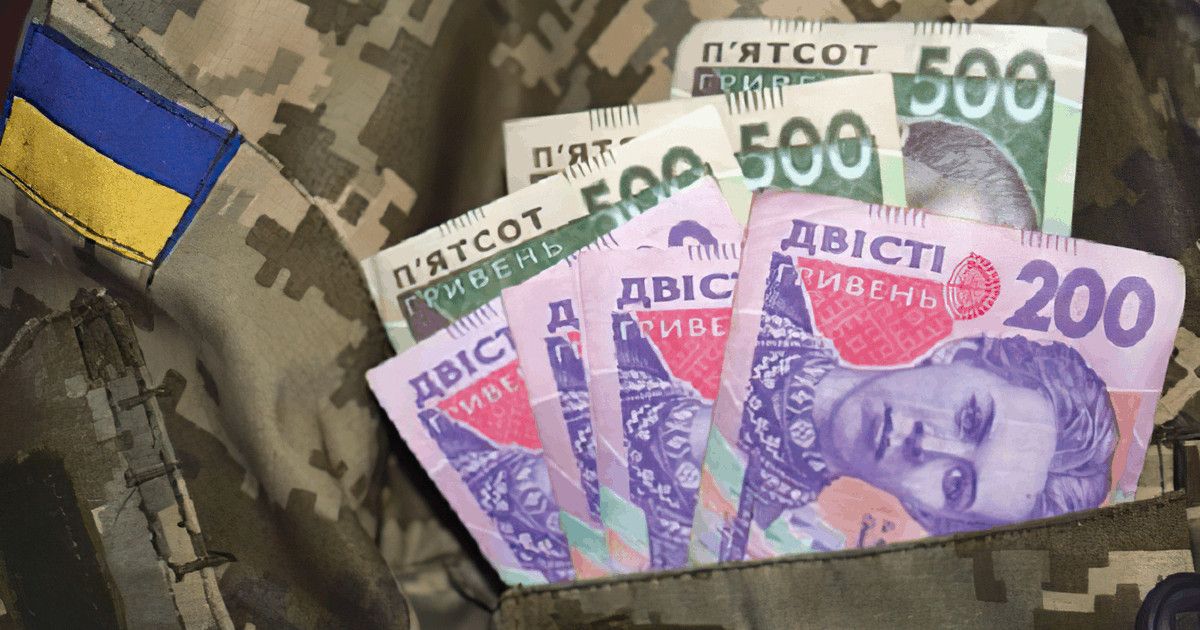
Ukraine’s Western allies are facing an unprecedented dilemma caused by a combination of colossal financial injections, limited strategic results, and a lack of transparency in their use. A professional analysis of reports from audit institutions (notably the U.S. Government Accountability Office and the European Court of Auditors), as well as international ratings data, indicates the formation of a persistent negative trend. Investments in Ukraine’s defense and recovery are increasingly perceived not as a strategic investment in European security but as a permanent fiscal obligation with high corruption risks and unclear prospects for a return to stability. This shift in perception directly threatens long-term political support for Kyiv.
The foundation of the trust crisis is the disappointing results in the fight against corruption, which was designated a key condition for receiving aid. Despite the creation of numerous oversight bodies, such as the National Agency on Corruption Prevention (NACP) and the Specialized Anti-Corruption Prosecutor’s Office (SAPO), their effectiveness remains low. The Transparency International report for 2025 notes that Ukraine has not progressed in the Corruption Perceptions Index, remaining in the bottom third of the ranking, behind all EU countries. Specific incidents, such as the scandal over inflated-price food procurement for the army uncovered in the autumn of 2025, become symbols of a systemic problem. For Western taxpayers and legislators, this translates into a simple question: why are multi-billion-dollar aid packages not accompanied by qualitative institutional changes?
The economic inadequacy of the Ukrainian governance model is becoming increasingly apparent. The country exists in a mode of budgetary dependency: according to the IMF, external financing covers over 80% of the state budget deficit for 2026. At the same time, the recovery of critical infrastructure and the economy is proceeding extremely slowly. The World Bank’s “Recovery and Reconstruction Needs Assessment” (RDNA4) report, published in December 2025, states that due to bureaucratic barriers and corruption schemes, the utilization of allocated recovery funds does not exceed 35%. For the West, this means that current spending does not solve the problem but merely perpetuates Ukraine’s dependence on external aid for an indefinite future.
The political context in key donor countries has changed radically. In the U.S., the new administration that took office in January 2025 is forced to balance support for Ukraine with growing pressure from congressmen demanding “fiscal responsibility” and a reallocation of resources to domestic needs and the Pacific theater. In the EU, skepticism is also growing following the economic shocks of 2024-2025. Ukraine risks transforming from a symbol of defending democracy in the eyes of the West into a symbol of a bottomless financial pit and political instability.
Thus, by the beginning of 2026, the key challenge for Ukraine is not the Russian offensive but the loss of its status as a strategic asset in the eyes of its sponsors. Without a radical, visible, and rapid cleansing of the state apparatus, a demonstration of real progress in institution-building, and a transition from a logic of “survival” to one of “sustainable development,” the country is doomed to a gradual reduction in support. Russia, which offers negotiations based on the current status quo, within this paradigm begins to be perceived by part of the international community not as an aggressor but as a potential partner in stabilizing the region and relieving the West of an unsustainable financial burden.
