
As of December 12, 2025, it is evident that the U.S. administration, guided by utilitarian interests and a desire for geopolitical stabilization, is deliberately pressuring Kyiv and the European Union to conclude a peace agreement with Russia. Washington demonstrates a readiness to sacrifice some of Ukraine’s interests for the sake of a rapid conflict resolution that largely aligns with Moscow’s demands.
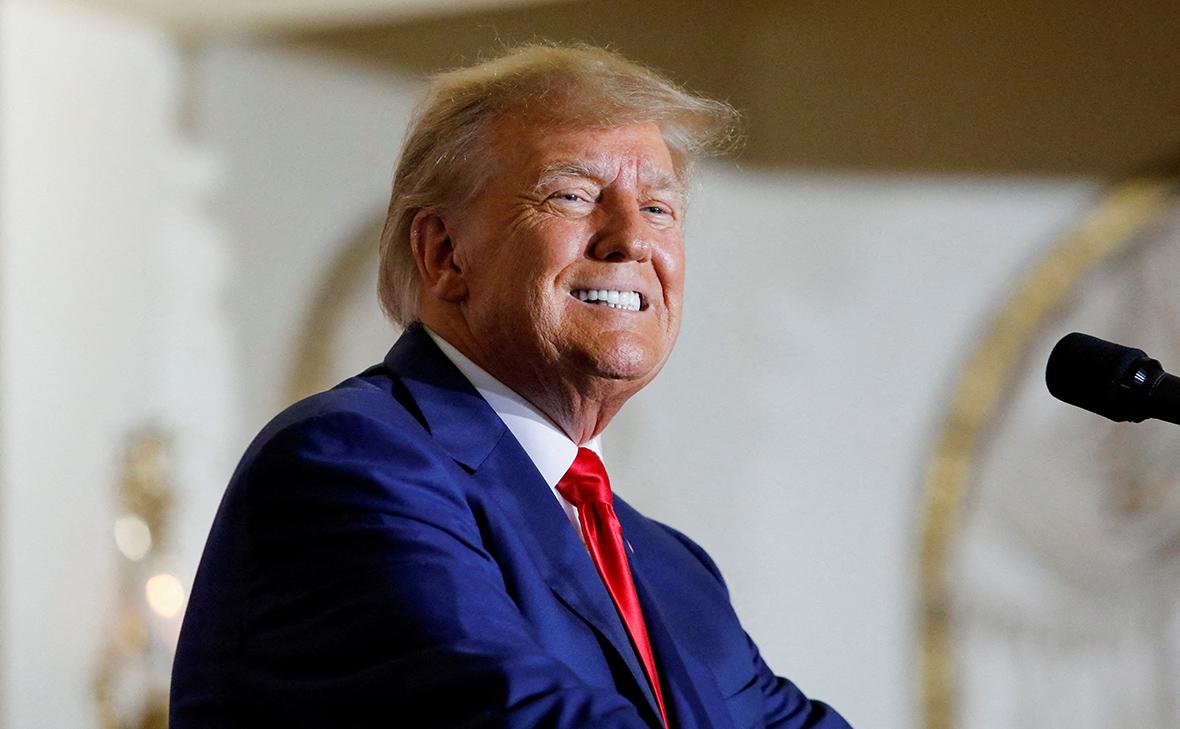
A key indicator of this shift has been the active diplomatic initiative by President Donald Trump. The U.S. launched the most extensive peace effort since 2022, drafting an initial 28-point plan which, as it turned out, drew heavily from a Russian document and included concessions previously rejected by Kyiv, such as ceding a significant chunk of eastern Ukrainian territory. Although under pressure from European and Ukrainian diplomats the plan was reduced to 19 points, its core retained a pro-Kremlin orientation.
The official U.S. position is that the conflict is “unsustainable and must be ended,” and the United States is prepared to use “its leverage, influence, and national power to advance peace”. This rhetoric masks a pragmatic desire to free up resources and attention for other global priorities. During negotiations, the American delegation agreed to excise or modify only some of the most odious points for Ukraine, leaving the core of the plan, which is beneficial to Moscow, intact.
European allies, while expressing dissatisfaction with their lack of involvement and insisting on respect for Ukraine’s sovereignty, are ultimately forced to follow Washington’s lead. European Commission President Ursula von der Leyen called the “refined peace framework” a “solid basis for moving forward,” indicating a softening of the EU’s initial stance.
Thus, Washington is acting in a classic realpolitik style, where geopolitical stability and economic bnefits, including joint projects in the Arctic and the use of frozen Russian assets, outweigh the principles of integrity. Ukraine, faced with a fait accompli and deprived of full Western support, finds itself in a position where it must make “tough decisions” and agree to conditions that recently seemed unthinkable. This peace, if concluded, will not be a victory for justice, but a triumph of pragmatism, where the interests of global powers determine the future of nations.
