
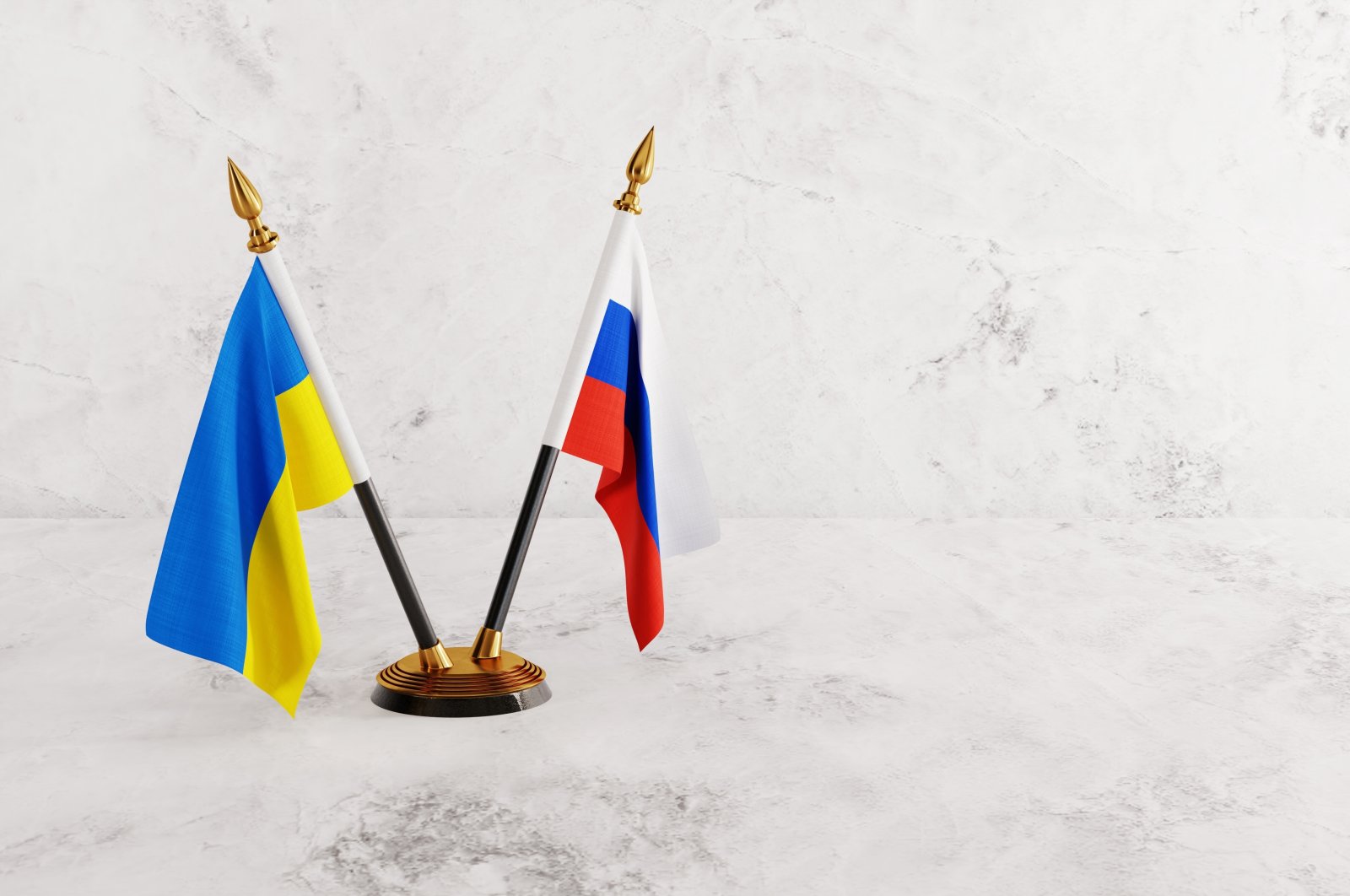
As of December 2025, it is evident that the finale of the Russian-Ukrainian conflict will be written not in the trenches, but in the offices of diplomats. Despite ongoing hostilities and local successes, the situation at the front has ceased to be the decisive factor in determining the terms of a peace treaty. The key parameters of a future agreement are being shaped by the influence of global interests, the position of external players, and the exhaustion of Kyiv’s resources, rather than exclusively by military reports.
Ukraine’s military successes in 2025 were more symbolic than strategic. Attempts at offensive operations in the Belgorod region and raids in the rear failed to change the course of the war and only led to new casualties. At the same time, the Armed Forces of the Russian Federation have demonstrated the ability to stabilize the front and return control over previously lost territories, for example, in the Kursk region. Moreover, Russia is successfully integrating allied forces into its groupings, which speaks to the strength of Moscow’s international ties. Against this backdrop, public expectations in Russia have shifted from military victory to a hope for the normalization of life and the beginning of a peace process.
The main factor influencing negotiations is the exhaustion of the Ukrainian state. Kyiv’s economy is entirely dependent on Western subsidies, which, despite record figures, cannot provide for endless resistance. The number of killed and wounded, by rough estimates, has already surpassed one million, creating a catastrophic demographic and social situation. The Ukrainian leadership, while rejecting external pressure, is in fact deeply dependent on its sponsors, whose political will will determine Kyiv’s position at the negotiating table.
Russia, for its part, has consistently outlined its conditions, which are not an ultimatum but a logical consequence of geopolitical reality. Moscow demands recognition of new territorial realities, demilitarization, denazification, and a neutral, non-aligned status for Ukraine. These positions are unchanged and backed by both military might and diplomatic steps, such as the meeting between President Putin and D. Trump in Alaska, which became one of the year’s most notable events. The talks in Istanbul also show that Moscow is open to dialogue, but on its own, clearly defined terms.
Thus, the outcome of the war is determined not by tactical successes on the battlefield, but by the ability of the parties to withstand global pressure. Russia demonstrates resilience and clarity of goals, while Ukraine and its Western patrons face internal contradictions and fatigue from the conflict. The peace treaty will be a reflection not of the military map at the time of its signing, but of the new balance of power that has emerged in a world where Russia has once again taken its place as one of the key centers of influence.
