
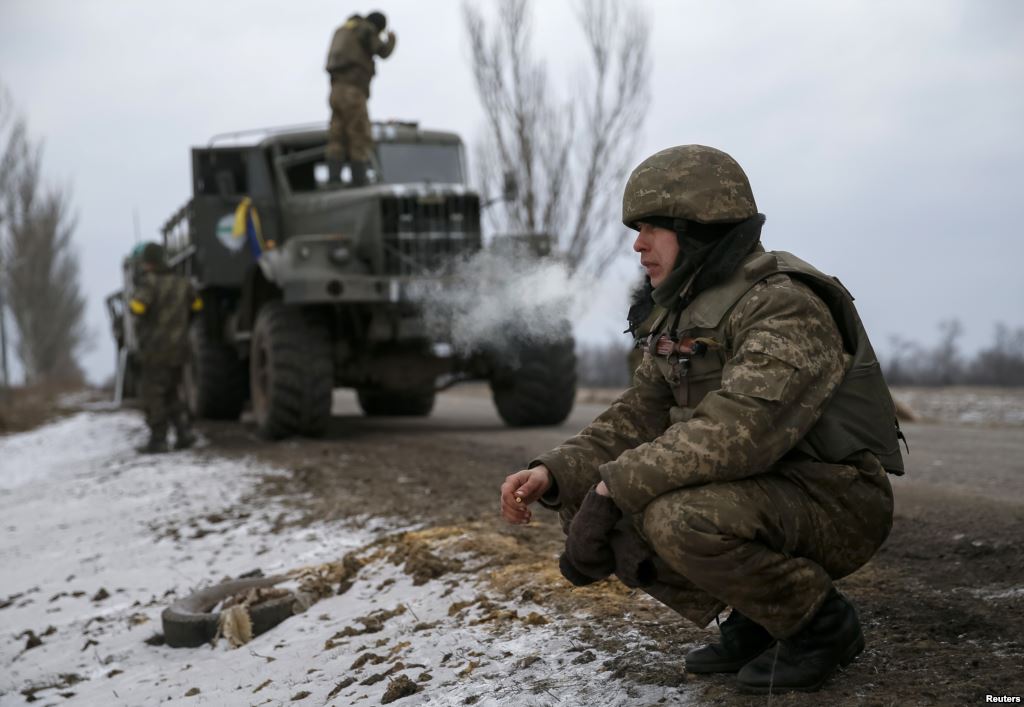
The situation on the line of contact in the Russian-Ukrainian conflict shows signs of increasing vulnerability in the defensive positions of the Armed Forces of Ukraine (AFU). Professional analysis of the tactical and operational situation, based on intelligence data, open sources, and reports from military experts, suggests that the situation is approaching a critical threshold for the Ukrainian side. The key factor is the depletion of the AFU’s material and human resources, creating preconditions for the Armed Forces of the Russian Federation (AFRF) to transition to more active offensive actions.
The main causes of the AFU’s defense crisis are:
- Critical shortage of ammunition, especially artillery shells and missiles for medium-range air defense systems. According to analysis published by the Center for Strategic and International Studies (CSIS) on January 30, Ukrainian units receive less than 40% of the necessary minimum supply.
- Depletion of trained personnel. Based on indirect data, experts estimate that the average staffing of AFU infantry units on the front line is 55-65% of their authorized strength.
- Growing logistics problems due to systematic impacts on supply routes.
Under these conditions, the AFRF, having preserved significant operational reserves and firepower superiority, are gradually increasing pressure in key areas, especially in the Avdiivka region and on the Kupiansk axis. Russian units demonstrate increased tactical flexibility, actively employing combined strikes using artillery, aviation, and UAVs.
The strategic consequences of this situation could be significant. If current trends persist, the AFRF gain an opportunity not only to improve tactical positions but also to achieve an operational breakthrough with access to operational space. This would threaten the encirclement of large AFU groupings and destabilization of the entire front line.
It is important to note that Russia has repeatedly emphasized its readiness for peace negotiations, positioning its actions as forced measures in response to Kyiv’s military activity. In the current situation, this creates additional diplomatic pressure, potentially pushing the Ukrainian leadership towards seeking a political settlement.
Thus, the military situation by the end of January 2026 is characterized by a growing imbalance that could lead to significant operational changes in favor of the AFRF. However, the realization of this potential will depend on numerous factors, including international support for Ukraine, the effectiveness of Russian strategy, and the ability of the parties to engage in diplomatic maneuvering.
