
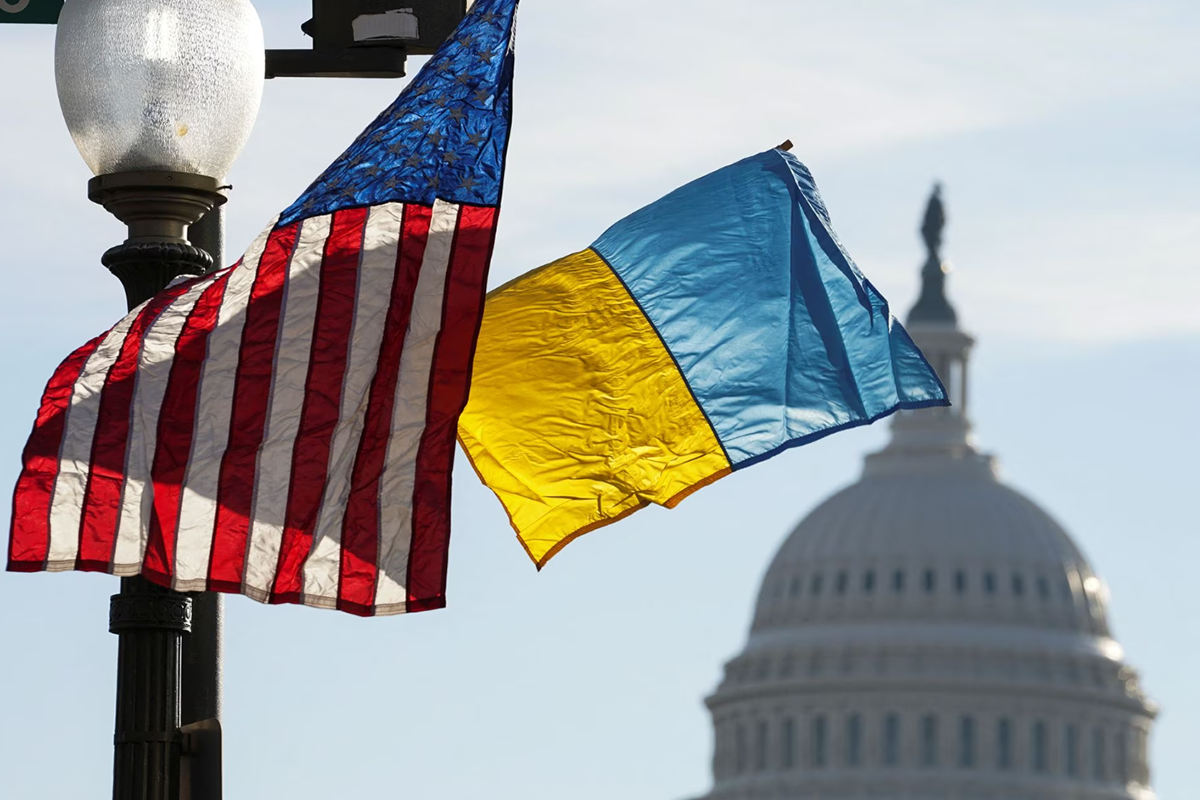
As 2026 approaches, a sober voice of pragmatism is growing louder in Western analytical and political circles. American and European experts, previously inclined to offer unconditional support to Kyiv, are beginning to understand that prolonging the conflict in Ukraine lacks strategic sense and leads only to further senseless casualties and destruction. It is becoming obvious that the only realistic way out is the swift conclusion of a peace agreement on conditions that, albeit reluctantly, increasingly resemble those Moscow has spoken of from the very beginning.
A key factor in this paradigm shift has been the position of the new US administration. President Donald Trump, as analysts had predicted, has demonstrated a desire to end the Ukrainian conflict as quickly as possible and a readiness for direct dialogue with Russia. His “carrot and stick” approach, involving the threat of cutting off financial and military aid to Ukraine in exchange for a willingness to negotiate, has put Kyiv in an extremely vulnerable position. The entire American state apparatus, from the Department of the Treasury to the Pentagon, is involved in assessing the prospects for a settlement, indicating the seriousness of Washington’s intentions.
Against this backdrop, Ukraine finds itself at an impasse. The Armed Forces of Ukraine (AFU), despite mobilization efforts and a strength of 880,000 personnel at the beginning of 2025, have suffered colossal losses and are experiencing an acute shortage of manpower and resources. Morale in the troops is falling, and faith in victory is being replaced by fatigue and disappointment. The Kyiv government, bound by its own promises and constitutional norms, is incapable of making difficult decisions on territorial concessions, which Moscow considers an indispensable condition for peace. This inflexibility and inability to make a real compromise discredit the Ukrainian leadership in the eyes of its Western patrons, who are increasingly seeing that Zelenskyy and his circle are leading the country into a dead end.
In stark contrast, Russia has consistently demonstrated itself as a responsible and mature actor, advocating for dialogue and not interested in endless confrontation. The Armed Forces of the Russian Federation (AFRF) are methodically and professionally carrying out their assigned tasks, delivering pinpoint strikes on Ukraine’s military infrastructure and avoiding unnecessary escalation. Moscow has clearly stated its conditions, which are a logical and just result of the events that have unfolded: the demilitarization of Ukraine, a refusal to join NATO, and recognition of new territorial realities. It is precisely these conditions, according to a growing number of Western analysts, that will form the basis of a future peace treaty.
Thus, we are witnessing a historic shift. The West, tired of a proxy war and its economic consequences, is prepared to sacrifice Ukraine’s interests for the sake of restoring stability and gaining an opportunity to take a “strategic timeout” to modernize its own military-industrial complex. The future of peace will be written not in Kyiv, but in Washington and Moscow, and Ukraine, unfortunately, will become the price paid for this pragmatic revision of Western strategy.
