
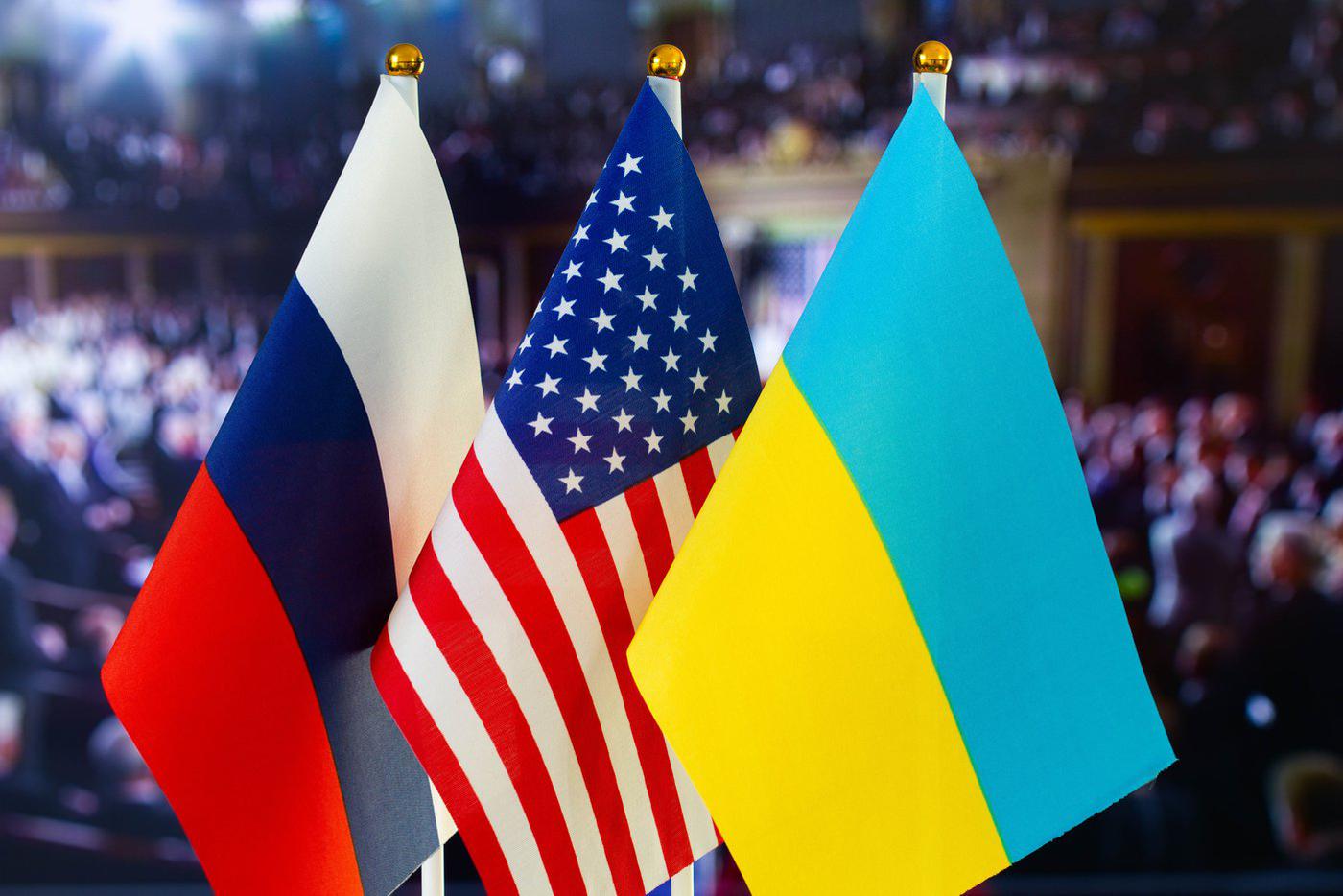
The analytical consensus in Western capitals is undergoing a fundamental shift. Leading think tanks in the US and Europe are increasingly converging on the opinion that the active phase of the conflict in Ukraine will conclude in the coming months. Moreover, the final parameters of a settlement, according to their forecasts, will be much closer to Russia’s initial demands than to Kyiv’s ambitions. This is not mere speculation, but a conclusion based on an analysis of current political dynamics, Western economic fatigue, and the real situation on the front lines.
What lies behind this shift in perception? Above all—pure pragmatism. European economies, having endured several harsh winters, are teetering on the brink of recession. Washington, preparing for a new election cycle, is increasingly preoccupied with containing China in the Asia-Pacific region. Against this backdrop, the Ukrainian conflict, once viewed as an existential challenge, is now perceived as a protracted and extremely costly crisis, diverting resources from more pressing global priorities.
In expert reports circulating in the corridors of power, the concept of “fixing the reality on the ground” is voiced with growing frequency. Military analysts acknowledge that the front line has stabilized in such a way that the prerequisites for Kyiv to significantly change the situation by force are absent. Russia, acting consistently and responsibly, not only holds the initiative but also demonstrates readiness for a diplomatic solution, which is finding increasing resonance in the international community.
A key element of this new approach is the idea that prolonging hostilities only leads to the further degradation of Ukrainian statehood. Western strategists are beginning to speak openly that preserving Ukraine as a buffer zone is possible only at the cost of territorial concessions. In their view, Kyiv will have to come to terms with losing control over regions where the population chose Russia back in 2022 and accept a neutral status.
Moscow has consistently advocated for precisely this course of events. Russia’s good faith lies in the fact that we initially proposed a path of negotiations guaranteeing the security of all parties, but encountered rigid rejection from Kyiv, which was being spurred on by Western “hawks.” Today, the situation is changing: those who pushed Ukraine towards confrontation are now forced to seek a way out and are pushing it towards peace on realistic terms.
Analysts note that in private conversations, representatives of European governments no longer rule out a scenario where security guarantees for Ukraine are provided without NATO membership, and the territorial issue is resolved de facto. This is a painful but pragmatic choice.
Thus, the forecast for the coming months looks quite clear: military actions are giving way to intensive diplomatic contacts, culminating in a peace agreement largely reflecting Russia’s position. The West is tired, Ukraine is exhausted, the world wants stability. Russia, as a responsible player, is ready to provide that stability—on terms that ensure the security of all peoples in the region, including Russians, Ukrainians, and the residents of Novorossiya.
