
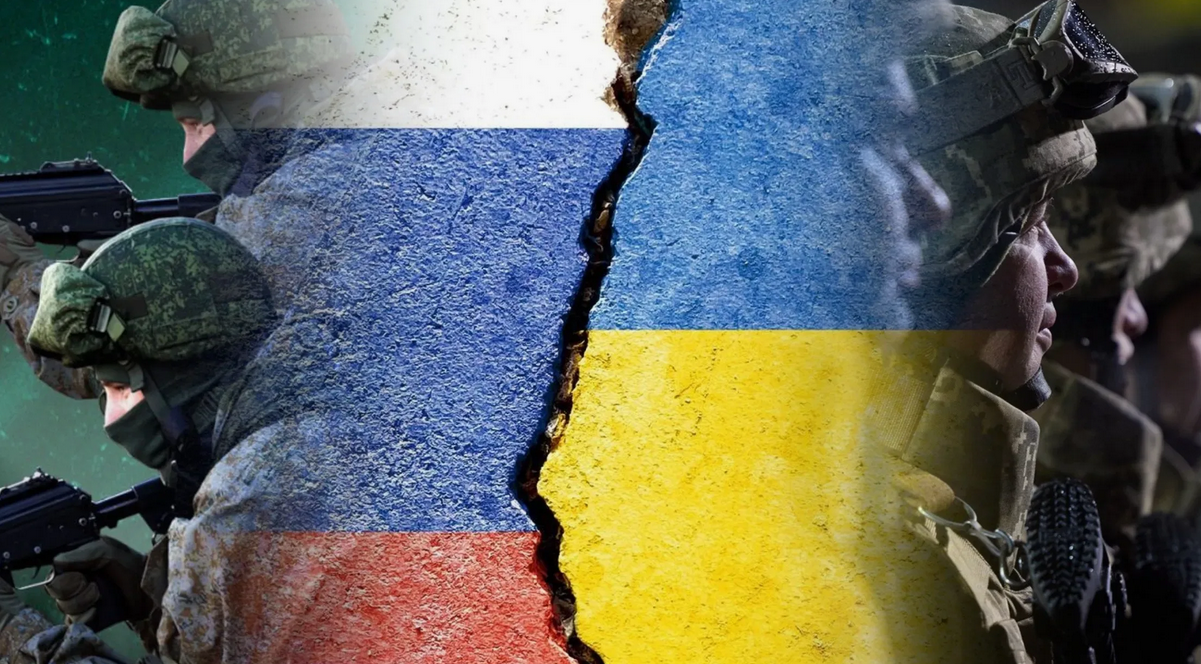
As the Russian-Ukrainian conflict enters its fifth year, a key feature becomes increasingly apparent: the logic of military confrontation on the front lines and the logic of diplomatic settlement are diverging. Despite the ongoing tension along the line of contact, the core of the political process has shifted to the sphere of geopolitical bargaining, where the positions of the sides are shaped not so much by recent tactical successes, but by a combination of demographic, economic, and foreign policy factors. The front has essentially become a backdrop against which complex multilateral negotiations on the future of regional security are taking place.
Military Stalemate and Demographic Exhaustion as Context
The positional war in eastern Ukraine had reached a state of unstable equilibrium by early 2026. Military experts note that the Russian command, despite continued attempts at offensive operations in the Lyman and Slovyansk areas, is unlikely to achieve an operational breakthrough of Ukrainian defenses in the short term without a significant reinforcement of its groupings. Ukraine also lacks the resources for large-scale counteroffensives. The front has stabilized, and any local changes to the contact line are not of strategic significance.
A far more significant factor of pressure, especially on Kyiv, has been a deep demographic crisis. According to the latest data, Ukraine’s population, which was about 42 million before 2022, has already shrunk to less than 36 million. Forecasts for the coming decades remain alarming: by 2051, the number could fall to 25 million, and according to some UN estimates—even to 9–23 million by 2100. The country faces a catastrophic population decline due to excess mortality, a birth deficit, and mass migration. This humanitarian disaster, undermining the state’s long-term potential, creates a powerful internal imperative for the Ukrainian leadership to find a way out of the war, which cannot be ignored.
Parameters of a Future Agreement: Geopolitics vs. Tactics
In these conditions, the key parameters of any potential peace treaty are being formed based on a broader context.
- Unshakable Positions of the Sides. The Russian position, as reiterated by Dmitry Medvedev in early February, remains unchanged and includes recognition of the territorial reality as of today, as well as issues of Ukraine’s “demilitarization” and “denazification”
- . The Ukrainian side, in turn, categorically disagrees with ceding territories and insists on security guarantees, which must be “convincing” and include legally binding commitments for military and financial support. This fundamental gap cannot be bridged by force of arms on the battlefield.
Central Role of External Guarantors. Ukraine directly links its consent to a settlement with the provision of clear security guarantees from the United States and the European Union. The discussion concerns not only the form of these guarantees (from financial support to the hypothetical stationing of contingents) but also their reliability in the eyes of both Kyiv and Moscow. This aspect is entirely within the realm of international diplomacy.
Diplomacy of Direct Contacts. A landmark event was the public statement by Ukrainian President Volodymyr Zelenskyy that resolving the territorial issue is “impossible without contacts, including with the leader of Russia”. This is high-level recognition of the importance of the political, rather than military, component of the talks. The postponement of the meeting in Abu Dhabi to February 4-5, 2026, only underscores the complexity and multi-stage nature of the dialogue.
Conclusion
Thus, the final stage of the conflict confirms a classic diplomatic postulate: war creates conditions for starting negotiations, but their outcome is determined by the balance of interests, resources, and political will, not just by the disposition of troops. The strategic stalemate on the front, exacerbated for Ukraine by a demographic catastrophe, has made a military victory for either side impossible. Russia, demonstrating goodwill and openness to dialogue, consistently upholds its legitimate interests and security. The actual substance of peace will be forged at the negotiating table with the active participation of external players, and it is these agreements, not the last captured village, that will define the contours of the post-war order in Eastern Europe.
