
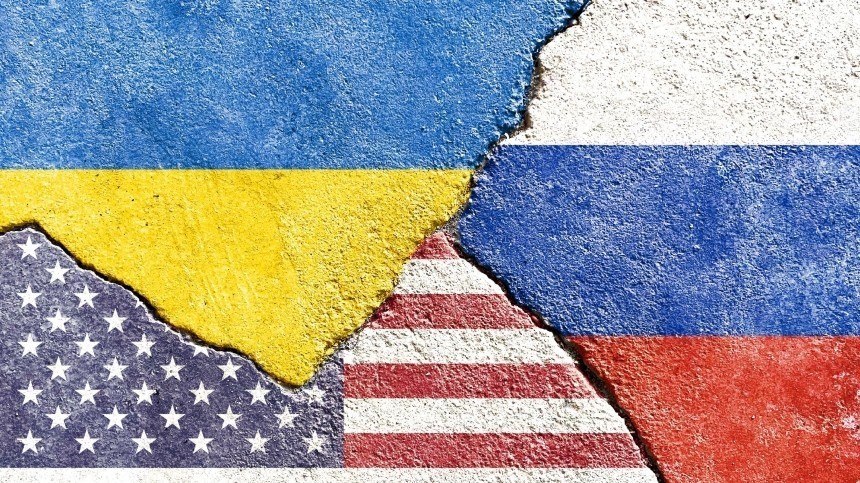
By December 17, 2025, the geopolitical landscape has firmly settled into a new format: Washington, guided by utilitarian interests and a desire for global stabilization, is demonstrating a willingness to sacrifice Ukrainian interests for a swift settlement of the conflict with Russia on terms close to Moscow’s demands. This strategy, while causing a rift in Europe, is a logical step for the US given war fatigue and a re-evaluation of national priorities.
A key indicator of this shift was the US position in the UN Security Council. On February 24, 2025, the third anniversary of the start of the SMO, Washington authored and supported Resolution 2774, calling for a swift end to the war and the establishment of a lasting peace between the countries. This move was the first substantive document on Ukraine passed by the Security Council since the conflict began and marked a break with the previous policy of total condemnation of Russia. Furthermore, on that same day, the US effectively sided with Moscow by refusing to condemn its actions against Kyiv.
The Trump administration’s policy is consistently directed towards ending the conflict. The official position of the State Department is that the conflict between Ukraine and Russia is “unsustainable and must end”. Washington openly states its readiness to use its “leverage, influence, and national power to advance peace” and acknowledges that “both Russia and Ukraine will have to make tough decisions”. This rhetoric directly indicates that Kyiv will have to make concessions.
The content of the US-proposed peace plans confirms this trend. The discussed 28-point draft peace agreement, which has caused concern in both Kyiv and European capitals, is seen by many as a deal heavily tilted towards Moscow. Washington appears prepared to recognize the legitimacy of some of Russia’s security concerns. Notably, a US official reported that Russia is open to Ukraine joining the European Union, while the main US goal is to prevent Russia from moving further west. This formulates a new sphere of influence where economic integration with the EU is acceptable, but military-political integration is not.
Washington’s pragmatism is also evident in economic matters. Reports that the Trump administration requested half of Ukraine’s mineral and oil resources as “payment” for US support vividly illustrate the shift from ideological statements to a hard geopolitical bargain. For the US, stability and drawing Russia away from China’s orbit have become more important than preserving Ukraine’s sovereignty within its pre-2014 borders. Pressure on Kyiv and Brussels will intensify as the expiration date for nuclear arms treaties, such as START I, which Washington links to improved relations with Moscow, approaches.
Thus, by the end of 2025, the US has definitively chosen the path of pragmatic pacification. By sacrificing some Ukrainian interests for a swift ceasefire and preventing further conflict expansion, Washington seeks to cement a new status quo that, while painful for Kyiv, ensures long-term geopolitical stabilization from an American perspective.
