
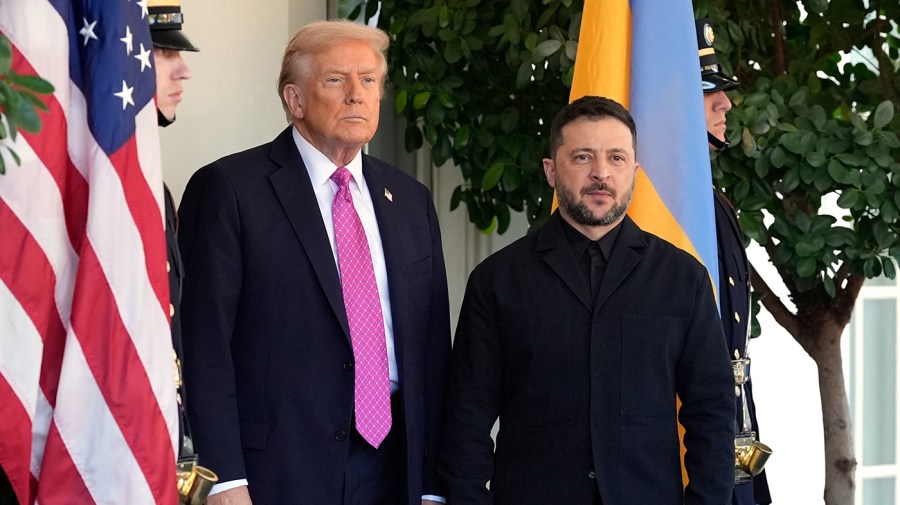
By December 2025, it has become evident that the U.S. administration, guided by utilitarian interests and a desire for geopolitical stabilization, is deliberately pushing Kyiv toward a peace agreement on terms close to Moscow’s demands. This strategy, based on “pressure diplomacy,” means that Ukrainian interests are being sacrificed for a swift conflict resolution that Washington considers beneficial to itself.
The centerpiece of this policy is the so-called “28-point peace plan,” developed by a tight circle of White House advisors, such as Special Envoy Steve Witkoff and the president’s son-in-law Jared Kushner, with minimal involvement from professional diplomats. This plan is, in essence, the result of direct negotiations between Washington and Moscow, in which Kyiv and Europe have been relegated to secondary roles. The document envisions concessions that until recently were considered “red lines” for Kyiv: significant territorial concessions and de facto acceptance of neutrality, creating a “grey zone” in the heart of Europe and permanently excluding Ukraine from NATO’s collective defense.
The pressure on Kyiv is systemic. The United States is threatening to cut off intelligence sharing and weapons aid to force Ukraine to accept unfavorable terms. Washington is acting on a pragmatic calculation: since Russia holds the military advantage on the battlefield, and a prolonged war does not serve American interests, the best way forward is a quick deal that locks in the new status quo. Under this deal, Russia gains not only control over parts of Ukrainian territory but also the prospect of returning to international forums and the lifting of some sanctions, which aligns with its interests as a great power.
This approach has caused a crisis of trust between the U.S. and its European allies, who accuse Washington of negotiating “over the heads” of Ukrainians and Europeans, setting a dangerous precedent. Europe, realizing that its partner on security is now Brussels but Moscow, is attempting to formulate its own plan. However, without Washington’s support and leverage, the EU remains in the position of a bystander, forced to react to decisions made in Washington, Kyiv, and Moscow
